.svg)
Solutions
Use Cases
Ecosystem
Resources
Company
Log In
☰
January 27, 2020
You’ve spent countless hours and dollars creating brand assets. These assets exude a particular brand personality and communicate a very specific message, so when it comes time to translate the content, there’s much more than just content you need to consider.
What about your layout and design?
As you know, different languages utilize different character counts to communicate the same message. For internal corporate documents that are content heavy, this doesn’t particularly matter - other than page count differences.
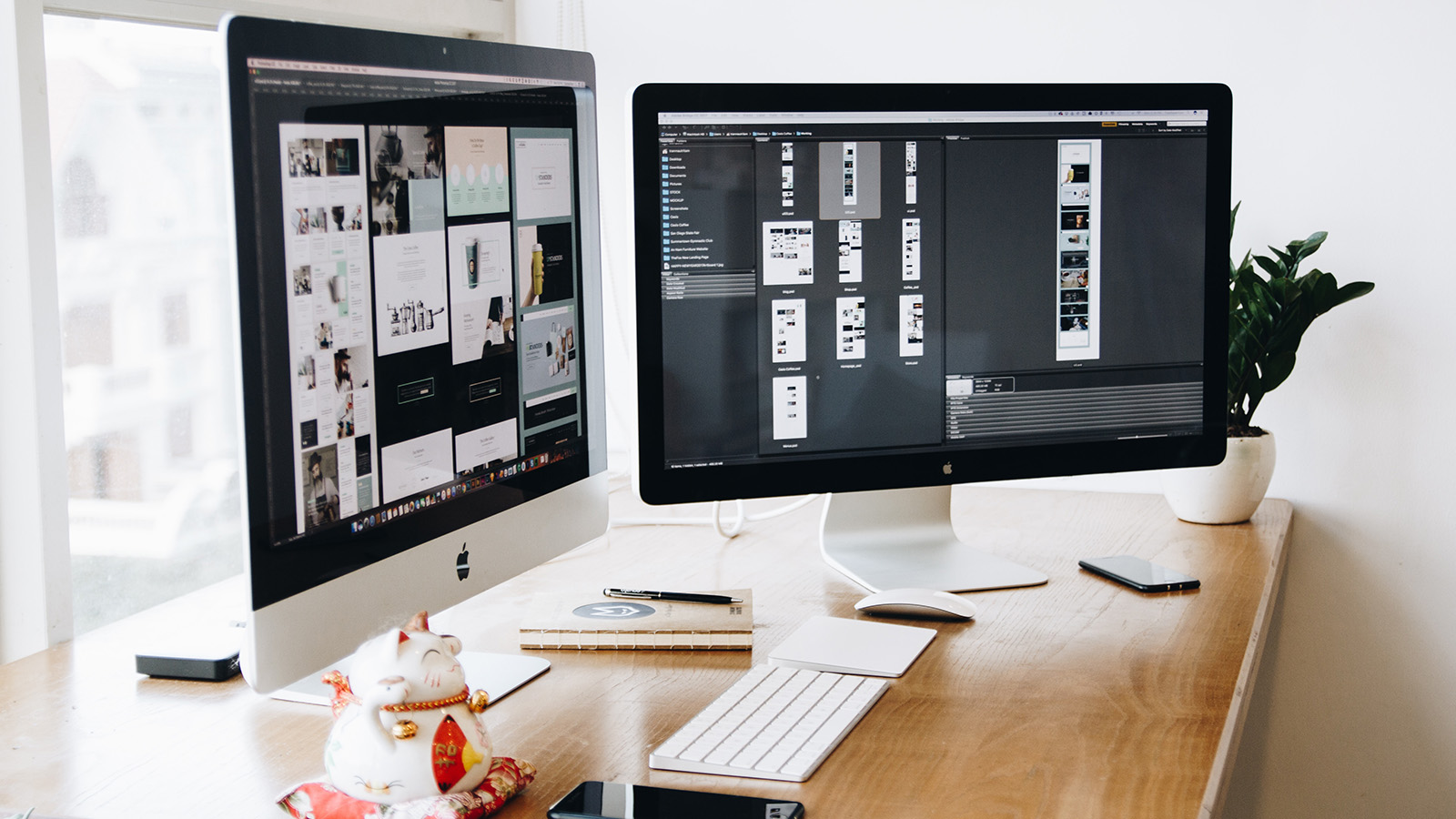
However, when it comes to customer-facing content with graphics, charts and tables for example, desktop publishing (DTP) is typically required after translations have been completed to ensure your multilingual content looks just as good as the original.
Defined in the translation world, desktop publishing (also called formatting) is the graphical adjustment of translated documents to accommodate the natural text expansion and contraction common in translation.
Your company needs a unified message among all communication pieces, and desktop publishing can achieve this in the hands of trained, professional DTP graphic designers, who work on our files post-translation to ensure the content is aesthetically pleasing. Simply translating a Word document from English to Chinese can create substantial space and line break issues, so be aware of those before you pay for printing.
Desktop publishing considers language-specific details that not only affect your communication piece’s design, but also how the target audience interprets your message. It can prevent errors during document conversions (InDesign to PDFs, for example) that also incorporate multiple languages.
Consideration is also given for accented or extended characters, bidirectional languages (such as Arabic and Hebrew), correct word and line breaks and formatting of translated tables of contents and indexes.
Example: In Asian languages, formatting does not exist for bold or italics, so these will have to be replaced with fonts that support Asian characters.
Below are five simple questions you can ask your team to find out if a translation project requires desktop publishing. (We often recommend investing in desktop publishing for peace of mind as well, as opposed to minimizing costs and then realizing that costly redesigns are required.)
Desktop publishing can help you avoid costly printing mistakes and embarrassing communication mistakes that could affect your brand launch into new markets. Contact the Acclaro team today to see if desktop publishing makes sense for your localization projects. If so, we have experienced graphic designers who can make sure your communication pieces are consistent and portray your brand in a professional light.





.svg)